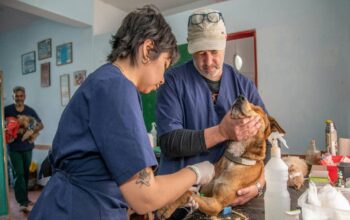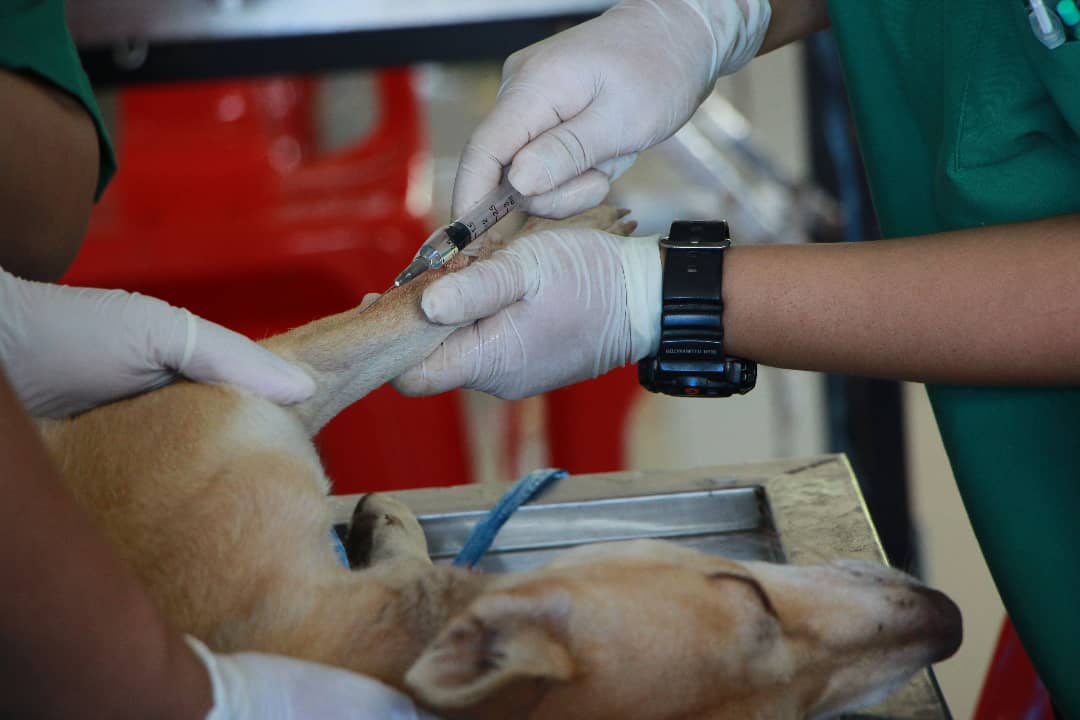
A veterinary clinic is only as strong as the people behind it. Veterinarians may provide the medical expertise, but technicians, assistants, receptionists, managers, and support staff all play a role in patient care and the client experience.
Building a reliable and motivated team is not simply about hiring talented people. It is about creating an environment where employees understand their responsibilities, communicate well, feel respected, and have the support they need to do their jobs.
When that happens, everyone benefits. Patients receive more consistent care, clients have better experiences, and the clinic can operate more efficiently.
Here are practical ways to build that kind of team.
Hire for Skills and Attitude
A strong team starts with the hiring process.
Technical skills matter, but they are not the only qualities worth considering. Veterinary employees also need empathy, communication skills, dependability, and the ability to work well with others.
Consider how a candidate handles stressful situations and interacts with both people and animals.
A technically capable employee who consistently creates conflict may be a poor fit for the practice. On the other hand, someone with a positive attitude and strong communication skills may become an excellent team member with appropriate training.
Be clear about the clinic’s expectations before making a hiring decision. Candidates should understand the responsibilities, schedule, workplace culture, and standards they will be expected to meet.
Give New Employees a Strong Start
Hiring someone is not the end of the process. It is the beginning.
A thoughtful onboarding process can help new employees understand how the clinic works and what is expected of them.
Provide clear information about procedures, communication standards, scheduling, patient handling, technology, safety, and their specific responsibilities.
Avoid simply telling someone to watch another employee and figure things out.
A structured training period gives new team members a better opportunity to become confident and productive. It also helps reduce misunderstandings that can lead to mistakes or frustration.
Set Clear Expectations
Employees cannot consistently meet expectations they do not understand.
Every team member should know what their role involves and how their work contributes to the clinic.
Create clear procedures for common tasks. Explain who is responsible for specific duties and how problems should be escalated.
Clear expectations are particularly important in a busy veterinary environment where several things may happen at once.
When responsibilities are unclear, tasks can be duplicated, forgotten, or passed from one person to another.
Clarity creates accountability without creating unnecessary tension.
Communicate Before Problems Become Bigger
Communication problems can quickly affect a veterinary clinic.
A missed message can delay treatment. A scheduling misunderstanding can frustrate a client. A lack of communication between departments can create unnecessary work.
Encourage employees to communicate directly and respectfully.
Regular team meetings can help everyone stay informed about operational changes, recurring problems, upcoming events, and client feedback.
However, meetings do not need to become long lectures.
Keep them focused on useful information and practical solutions.
A culture where employees feel comfortable raising concerns can also help management discover problems before they become serious.
Recognize Good Work
People want to know that their effort matters.
Recognition does not always have to involve money. A sincere thank-you, public acknowledgment, positive feedback, or recognition of an employee’s contribution can make a meaningful difference.
Be specific.
Instead of simply saying, “Good job,” explain what the employee did well.
For example, recognize someone who calmly helped a nervous pet owner, improved a workflow, assisted a coworker during a difficult shift, or handled a challenging situation professionally.
Specific recognition tells employees that management actually notices their work.
Give Employees Opportunities to Grow
Motivated employees often want opportunities to learn.
Veterinary medicine continues to evolve, and employees can benefit from ongoing education and training relevant to their roles.
Consider where each team member wants to develop.
A technician may want to strengthen a particular clinical skill. A receptionist may want additional training in client communication. A manager may benefit from leadership development.
Professional growth can improve employee confidence while giving the clinic a stronger pool of skills.
It can also demonstrate that the practice sees employees as long-term team members rather than easily replaceable workers.
Protect Your Team From Burnout
Veterinary work can be demanding.
Employees may deal with long hours, emotionally difficult cases, worried clients, emergencies, and physically demanding tasks. If those pressures continue without adequate support, burnout can affect both employees and the clinic.
Watch for signs of excessive workload, declining morale, frequent conflicts, and persistent exhaustion.
Scheduling plays an important role. A clinic that consistently operates beyond what its staff can reasonably handle may eventually experience more errors, absenteeism, and turnover.
Supporting employees is not simply a workplace benefit. It can also protect the consistency and quality of patient care.
Create a Respectful Workplace
A motivated team needs psychological safety and mutual respect.
Employees should be treated professionally regardless of their position.
Encourage people to raise concerns without fear of unnecessary retaliation. Address workplace conflicts promptly rather than allowing resentment to build.
Managers also need to lead by example.
If leadership expects employees to communicate respectfully, leadership should do the same. If punctuality matters, managers should demonstrate it. If patient care is a priority, leadership decisions should reflect that priority.
Culture is shaped by what leaders consistently do, not just what they say.
Give Employees the Right Tools
Even highly motivated employees can struggle when they lack the tools needed to perform their jobs.
Make sure staff have access to appropriate equipment, supplies, information, software, and training.
Pay attention when employees repeatedly complain about the same operational obstacle.
If a team member spends unnecessary time searching for supplies, entering the same information multiple times, or working around an outdated process, investigate whether the system can be improved.
Removing unnecessary obstacles can make employees feel more productive and less frustrated.
Ask Your Team What Needs to Improve
Your employees experience the clinic differently from management.
They know which processes create bottlenecks. They hear client complaints firsthand. They may notice recurring problems that leadership does not see.
Ask for their input.
You might use regular team discussions, individual check-ins, or anonymous feedback when appropriate.
The important part is following through.
If employees repeatedly provide suggestions and nothing changes, they may eventually stop offering ideas.
You do not have to implement every suggestion, but explain why certain changes are or are not practical.
Hold People Accountable Fairly
Motivation does not mean avoiding accountability.
Reliable teams need standards.
When an employee repeatedly misses responsibilities, creates problems for coworkers, or fails to follow established procedures, address the issue promptly.
Focus on the behavior and the expected improvement rather than making the conversation personal.
Consistency matters here. Employees can become frustrated when rules appear to apply differently to different people.
Fair accountability can actually strengthen trust within the team.
Build a Team That Works Together
The best veterinary teams do not operate as disconnected individuals.
They understand that the veterinarian, technician, receptionist, assistant, and manager all contribute to the same patient and client experience.
Encourage employees to help one another when appropriate. Celebrate team achievements rather than focusing only on individual performance.
When people understand how their work affects everyone else, collaboration becomes easier.
A reliable team is not one where everyone works alone perfectly. It is one where people can depend on each other when things get busy.
The Bottom Line
Building a reliable and motivated veterinary clinic team takes more than hiring good people.
You need clear expectations, effective onboarding, strong communication, recognition, professional development, fair accountability, appropriate resources, and genuine attention to employee well-being.
Most importantly, treat your employees as an important part of the clinic’s success.
When people feel respected, prepared, supported, and appreciated, they are more likely to take ownership of their work. That can lead to better teamwork, stronger client relationships, smoother operations, and more consistent patient care.
A great veterinary team does not happen by accident. It is built intentionally, one good workplace decision at a time.