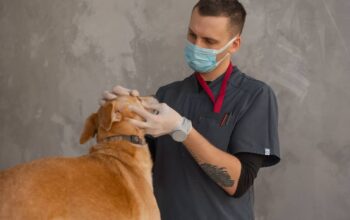
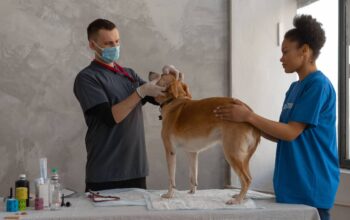
To make a veterinary clinic more welcoming, focus on the entire client experience, from booking the appointment to checking out after the visit. A friendly team, comfortable environment, clear communication, shorter waits, and thoughtful follow-up can make pet owners feel respected and confident in your care.
A welcoming clinic is not necessarily the most expensive or luxurious one. Often, small improvements in communication and hospitality make the biggest difference.
AAHA has specifically highlighted a “hospitality mindset” in veterinary practices, including active listening, understanding client behavior, and creating a positive practice culture.
1. Make the Reception Area Comfortable
The waiting room creates the first impression.
Keep it:
- Clean
- Bright
- Organized
- Comfortable
- Free of unpleasant odors
- Easy to navigate
Consider the needs of both pets and people.
For example, provide comfortable seating, clear signage, drinking water, and enough space between animals when possible. Some dogs and cats become anxious around unfamiliar animals, so thoughtful waiting-room design can make visits less stressful.
2. Greet Clients by Name
A simple greeting can completely change the tone of a visit.
Instead of treating someone like the next appointment on the schedule, greet them personally.
For example:
“Hi, Sarah. It’s good to see you and Max again.”
Using the client’s and pet’s names communicates that the clinic remembers them.
It also helps create a relationship rather than making the interaction feel like a transaction.
3. Train Staff to Listen
Pet owners want to feel heard.
Receptionists, technicians, and veterinarians should give clients enough time to explain their concerns without immediately interrupting or dismissing them.
Active listening can include:
- Maintaining appropriate eye contact
- Asking follow-up questions
- Repeating important concerns
- Explaining what happens next
- Avoiding unnecessary jargon
This is particularly important when owners are worried about a sick or injured pet.
4. Explain Medical Recommendations Clearly
Veterinary terminology can be confusing for people without medical training.
Instead of saying:
“Your dog has elevated liver enzymes and requires additional diagnostics.”
Explain what the finding means and why additional testing may help.
Clear communication also applies to treatment estimates.
Before performing significant procedures, explain:
- What you recommend
- Why you recommend it
- What it is expected to accomplish
- What it will cost
- What alternatives may exist
Financial conversations can be difficult, but avoiding them can create even more stress for clients.
AAHA notes that financial discussions have become an important part of veterinary client communication.
5. Reduce Waiting Times
Even a friendly clinic can frustrate clients if they routinely wait too long.
Look for bottlenecks in:
- Check-in
- Examination rooms
- Laboratory testing
- Prescription preparation
- Checkout
- Appointment scheduling
If delays are unavoidable, communicate them.
A client who knows there will be a 20-minute delay is generally less frustrated than someone who has been sitting for 20 minutes without any explanation.
6. Make Booking Easy
Give pet owners several convenient ways to interact with the clinic.
Depending on your resources, this might include:
- Online appointment requests
- Phone scheduling
- Text messaging
- Appointment reminders
- Prescription refill requests
- Digital forms
AAHA has highlighted client-facing technology such as online appointments, digital reminders, and communication tools as ways practices can improve convenience.
The goal is not to eliminate personal interaction. It is to make routine tasks easier.
7. Make the Clinic Feel Personal
Small personal touches can make a veterinary practice memorable.
Consider:
- Pet birthday messages
- Follow-up calls after procedures
- Handwritten thank-you notes
- Photos of staff pets
- A small welcome treat for appropriate patients
- Celebrating successful recoveries
- Remembering important details about returning patients
These gestures do not need to be expensive.
They simply demonstrate that the clinic sees pets as individuals rather than appointment numbers.
8. Create a Pet-Friendly Environment
Think about the experience from the animal’s perspective.
Use calm voices and gentle handling. Consider separate areas for cats and dogs where your facility allows it.
You can also reduce unnecessary stress by:
- Minimizing loud noises
- Using nonslip flooring
- Keeping examination rooms clean
- Providing comfortable surfaces
- Using appropriate treats
- Giving anxious pets additional space when possible
A calmer pet often means a calmer owner.
9. Follow Up After the Visit
The relationship should not end when the client walks out the door.
A short follow-up message can show that your team genuinely cares.
For example:
“Hi Sarah, we’re checking in to see how Max is doing after yesterday’s procedure. Please let us know if you have any concerns.”
Follow-ups can also remind clients about:
- Medication instructions
- Recheck appointments
- Vaccinations
- Preventive care
- Laboratory results
- Dental care
10. Ask Clients What You Can Improve
One of the simplest ways to improve your clinic is to ask clients.
You could use a short survey with questions such as:
- How was your overall experience?
- Was our team welcoming?
- Was the treatment plan explained clearly?
- Was the wait time reasonable?
- What could we improve?
- Would you recommend our clinic?
Look for patterns rather than reacting to every individual complaint.
If several clients mention the same problem, it may indicate a process that needs attention.
11. Take Care of Your Team
A welcoming client experience starts with a team that has the time, training, and support to provide it.
Burned-out employees may struggle to maintain patience and warmth, even when they care deeply about animals.
Invest in:
- Staff training
- Clear communication
- Appropriate staffing
- Recognition
- Professional development
- Reasonable workflows
AAHA emphasizes positive practice culture, communication, training, and making effective use of team members as important elements of a successful independent practice.
A Simple Veterinary Client Experience Checklist
Before making major changes, walk through the clinic as though you were a first-time pet owner.
Ask:
- Is it easy to find the clinic?
- Is parking or arrival straightforward?
- Is the reception area clean?
- Does someone greet me promptly?
- Are wait times communicated?
- Do staff explain things clearly?
- Do I understand the treatment estimate?
- Can I easily schedule a follow-up?
- Does someone check on my pet afterward?
Fixing even a few weak points can make the practice feel significantly more welcoming.
The Bottom Line
A friendly veterinary clinic is built through good communication, thoughtful service, comfortable surroundings, convenient technology, and genuine attention to both pets and their owners.
You do not need an expensive renovation to improve the experience. Start by training your team to greet clients warmly, listen carefully, explain recommendations clearly, communicate delays, and follow up after visits.
When pet owners consistently feel heard, respected, and cared for, they are more likely to trust the veterinary team and return for future care.