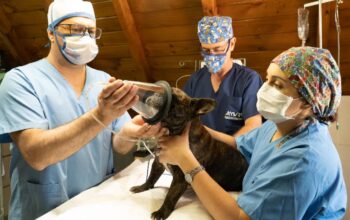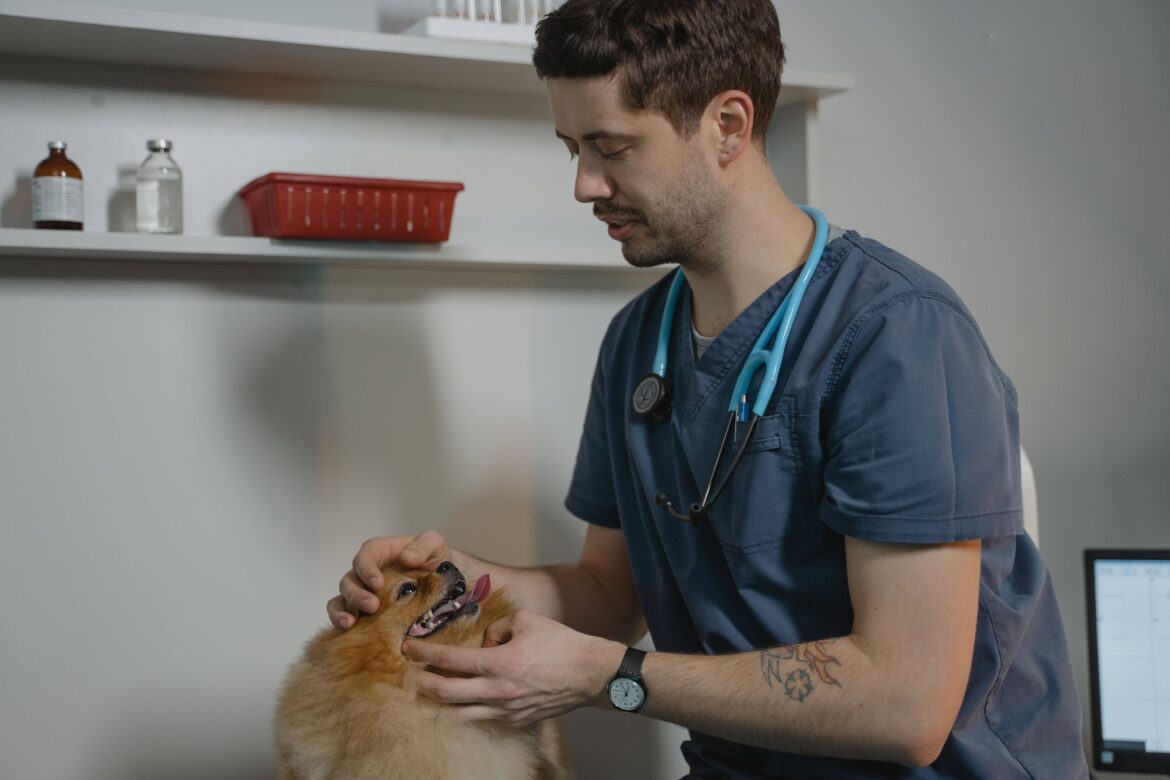
Veterinary clinics face several major expenses that can quickly reduce profitability, especially labor, medications and medical supplies, facility costs, equipment, and technology. The key is not simply cutting expenses. It is understanding which costs are necessary, which are inefficient, and how each expense affects the clinic’s ability to deliver quality care.
A clinic can have strong revenue and still struggle financially if operating expenses grow too quickly. The American Animal Hospital Association (AAHA) recommends monitoring revenue, labor costs, inventory, advertising, profit, patient volume, average transaction value, client retention, and forward bookings to understand practice performance.
1. Employee and Veterinary Labor
Labor is usually one of the biggest expenses in a veterinary clinic.
Costs include:
- Veterinarian salaries
- Veterinary technician wages
- Receptionist and administrative payroll
- Overtime
- Payroll taxes
- Health benefits
- Retirement contributions
- Training and continuing education
- Recruitment and hiring costs
Labor is also one of the areas where simply cutting costs can backfire. An understaffed clinic may see longer wait times, employee burnout, appointment delays, and reduced client satisfaction.
Instead of focusing only on reducing payroll, look at how effectively each team member’s time is being used.
For example, appropriately trained veterinary technicians can handle tasks within their training and legal scope, allowing veterinarians to focus on diagnosis, treatment decisions, and other responsibilities that require their expertise. AAHA has reported that stronger technician utilization can improve both efficiency and revenue.
2. Medications, Medical Supplies, and Inventory
Inventory is another major expense.
Veterinary clinics may carry:
- Prescription medications
- Vaccines
- Preventive products
- Surgical supplies
- Bandages and dressings
- Laboratory supplies
- Pet food
- Dental products
- Disposable equipment
Inventory becomes particularly expensive when products sit unused on shelves. Expired medications, overstocking, shrinkage, and products that are rarely purchased can tie up cash.
AAHA has identified cost of goods sold as a major expense category and emphasizes maintaining enough inventory to meet clinical needs without carrying excessive stock.
A good inventory system should track what comes in, what gets used, what gets sold, and what expires.
3. Rent and Facility Costs
The clinic’s physical location can also have a major impact on profitability.
Common facility expenses include:
- Rent or mortgage payments
- Utilities
- Electricity
- Water
- Internet
- Cleaning
- Waste disposal
- Repairs
- Property taxes
- Insurance
- Security
A larger facility is not automatically more profitable. Extra space can increase costs without generating enough additional revenue.
Before expanding, consider whether the existing space is being used efficiently. An underused treatment room or office represents an opportunity cost as well as a monthly expense.
4. Equipment and Technology
Veterinary medicine depends on equipment, but equipment can be expensive to purchase, maintain, and replace.
Examples include:
- Digital radiography systems
- Ultrasound equipment
- Dental equipment
- Anesthesia machines
- Surgical equipment
- Laboratory analyzers
- Computers
- Practice management software
Technology can either increase expenses or improve profitability.
Disconnected software systems, for example, can force staff to enter information repeatedly and switch between different platforms. AAHA notes that integrated technology can reduce administrative workload and give staff more time for client and patient interactions.
The goal should be to evaluate technology based on its business and clinical value rather than purchasing equipment simply because it is new.
5. Credit Card and Payment Processing Fees
Payment processing costs are easy to overlook because they are often deducted automatically from transactions.
However, when a clinic processes a large volume of payments, even a small percentage can become a significant annual expense.
Clinics should understand:
- Processing percentages
- Per-transaction fees
- Monthly fees
- Equipment fees
- Payment gateway charges
- Refund fees
AAHA recently highlighted payment processing as an expense that can meaningfully affect veterinary practice margins.
Reviewing payment costs periodically can reveal opportunities to reduce unnecessary fees.
6. Marketing and Advertising
Marketing is necessary for attracting new clients and keeping existing clients engaged, but spending without measuring results can hurt profitability.
A clinic might spend money on:
- Google Ads
- Social media advertising
- Website development
- Search engine optimization
- Print advertising
- Sponsorships
- Direct mail
- Promotional campaigns
The important question is not simply, “How much are we spending?”
Ask instead:
How many qualified new clients are we getting from that spending?
Track leads, new-client appointments, revenue, and retention whenever possible.
7. Missed Charges and Revenue Leakage
Not every profitability problem comes from an expense.
Sometimes the clinic is performing profitable work but failing to charge for it.
AAHA reported in 2026 that veterinary practices may lose an estimated 5% to 10% of total revenue through missed charges, with accounts receivable and workflow inefficiencies also affecting profitability.
Examples include:
- Services performed but not entered on invoices
- Incorrect medication quantities
- Unbilled technician services
- Discounts that are not properly tracked
- Missed follow-up charges
- Products leaving inventory without being invoiced
Regularly comparing medical records, inventory usage, and invoices can help identify these leaks.
8. How to Control Veterinary Clinic Expenses
Start by reviewing the clinic’s profit-and-loss statement every month.
Pay particular attention to:
| Expense | What to Monitor |
|---|---|
| Labor | Payroll, overtime, productivity |
| Inventory | Cost of goods, expiration, shrinkage |
| Facility | Rent, utilities, maintenance |
| Equipment | Repairs, leases, replacement costs |
| Technology | Software subscriptions and utilization |
| Payments | Processing fees |
| Marketing | Cost per new client |
| Revenue leakage | Missed charges and unpaid balances |
AAHA also recommends analyzing operating profit rather than relying solely on net income when evaluating the underlying performance of a veterinary practice.
The Bottom Line
The biggest expenses affecting veterinary clinic profitability are usually labor, inventory, facility costs, equipment, technology, payment processing, and marketing. But cutting expenses indiscriminately is rarely the best solution.
Instead, identify where money is being wasted, where staff time is inefficient, where inventory is sitting unused, and where revenue is being lost through missed charges.
Better financial visibility allows a clinic to control costs while continuing to provide excellent veterinary care.